
DryLoop™ HPDU Technology
Turn Waste Heat into Valuable Process Energy
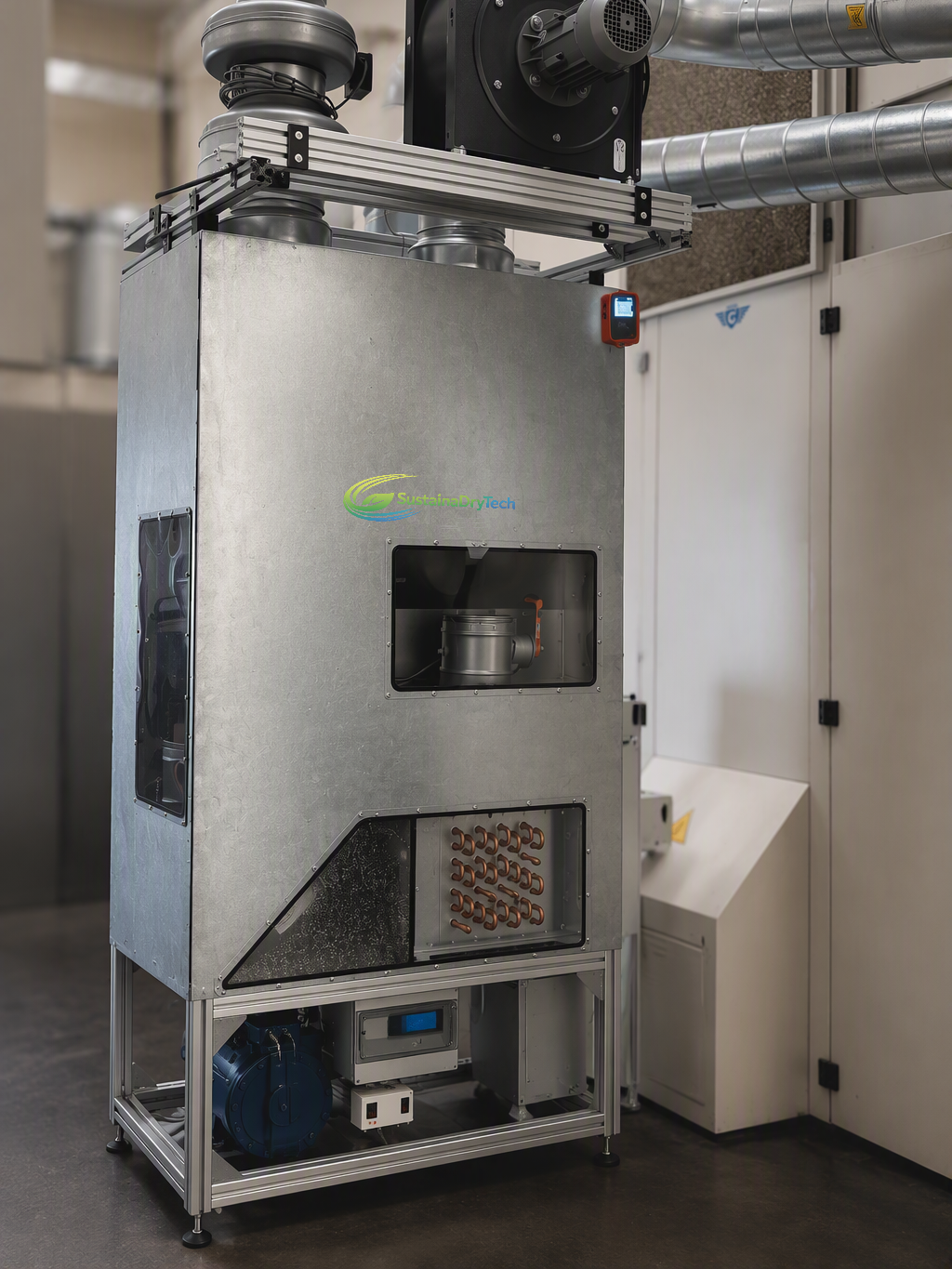
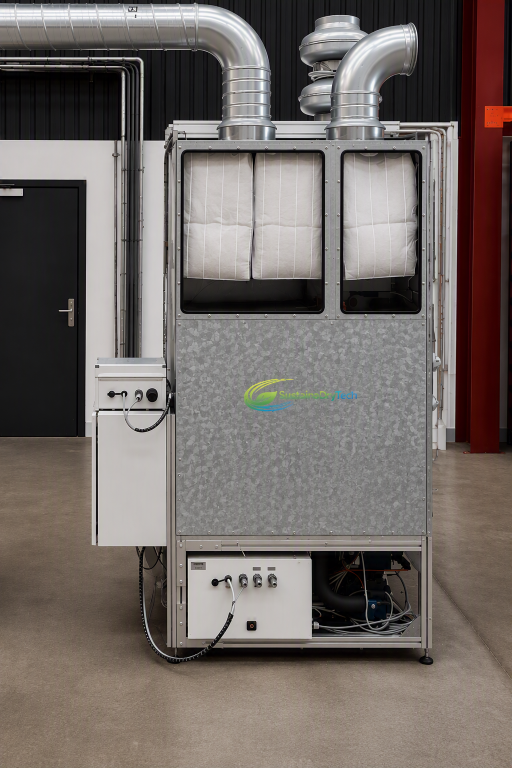
DryLoop™ HPDU captures thermal energy from the exhaust air stream, upgrades it through patented heat-pump technology, and transfers it back into the process air. By recycling and reusing energy that would otherwise be wasted, DryLoop™ dramatically reduces energy consumption, operating costs and CO₂ emissions.
The problem
Industrial Drying Wastes Energy
Most industrial drying systems continuously expel large amounts of heated air to atmosphere. This energy has already been paid for, but is typically lost through exhaust systems.
TRADITIONAL DRYING SYSTEMS
Heated air passes through the dryer once — and the energy is vented straight to atmosphere.
The process
How DryLoop™ Works
Capture Waste Energy
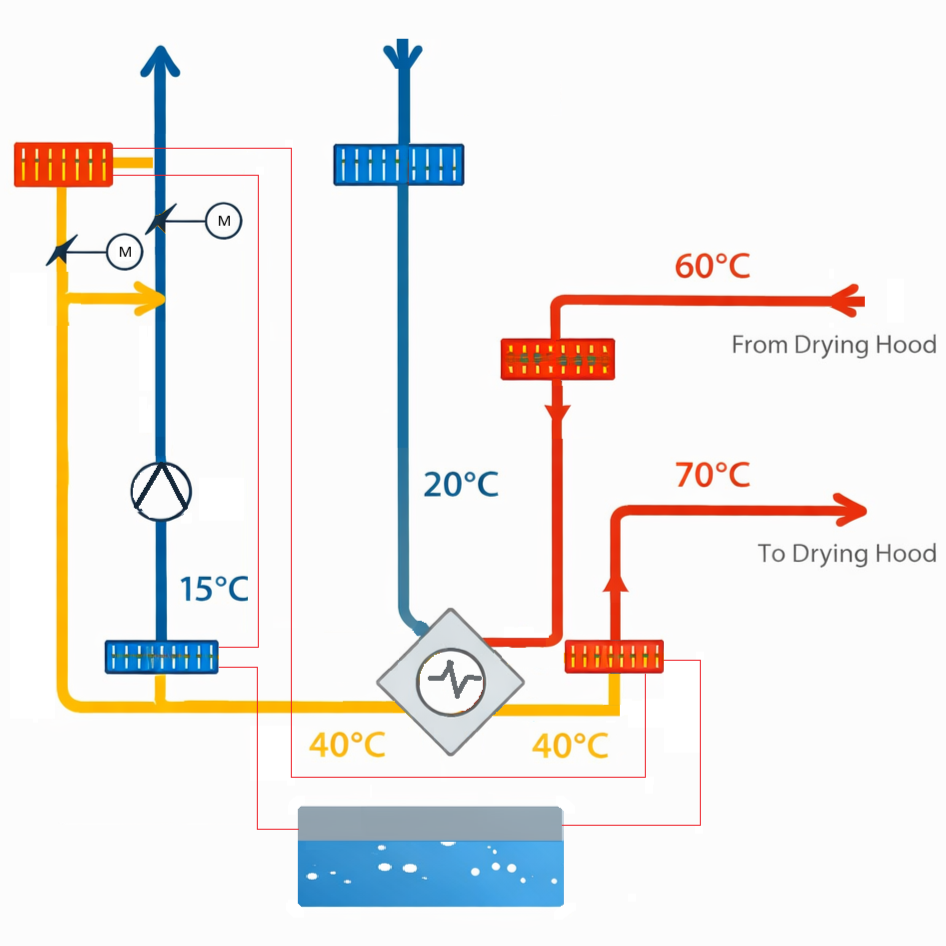
Warm and moist exhaust air leaving the dryer passes through the DryLoop™ heat recovery system.
Upgrade the Energy
A high-efficiency heat pump concentrates and upgrades the recovered heat to a useful process temperature.
Return Energy to the Process
Recovered energy is transferred back to the drying air, reducing electrical heating or eliminating gas consumption.
Maintain Optimal Drying Conditions
The system continuously balances temperature, humidity and airflow for stable production performance.
Closed loop
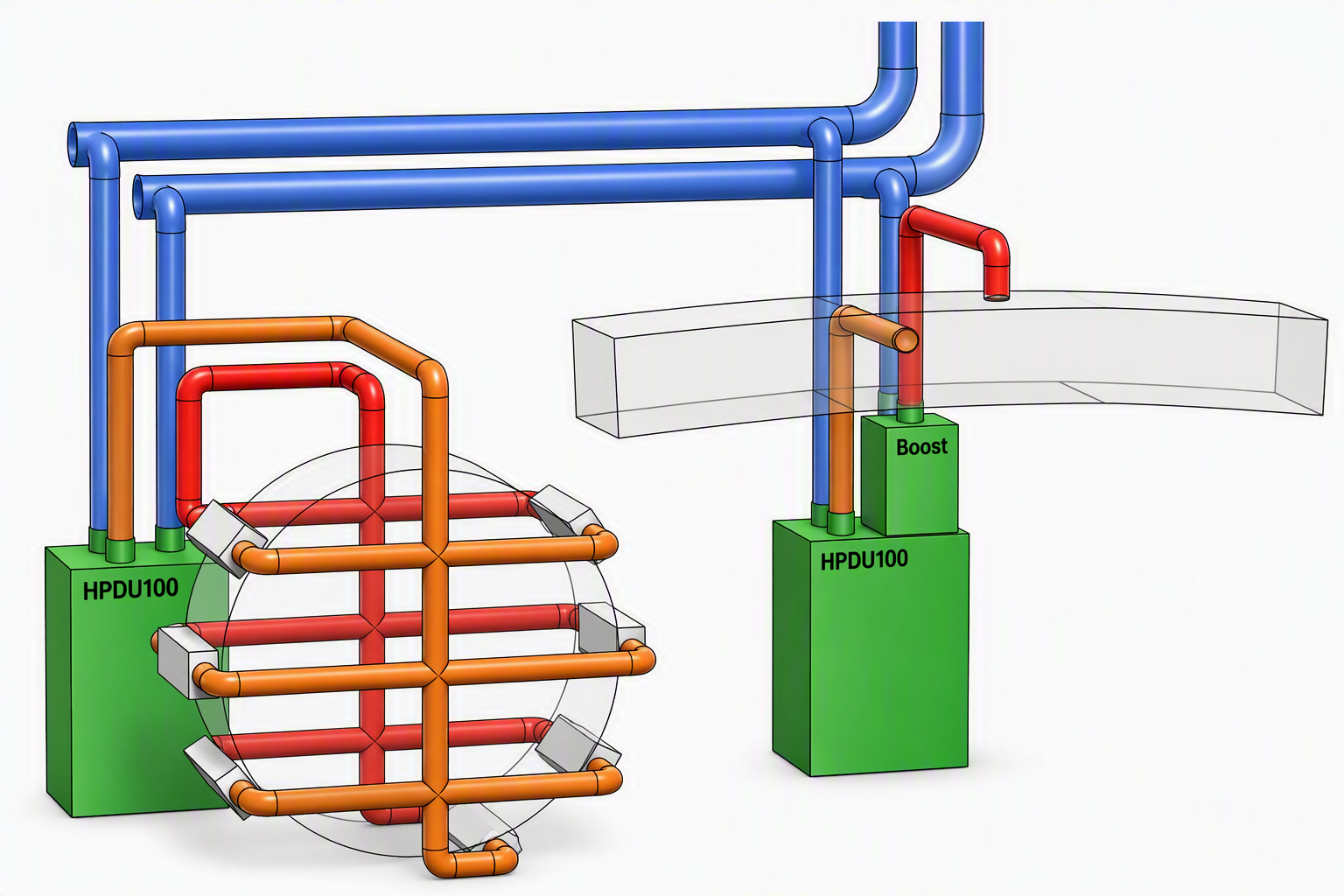
The DryLoop™ Energy Cycle
Energy savings
Where Are the Savings Created?
Less Exhaust Losses
Recover energy before it leaves the system.
Reduced Heater Demand
Lower electrical or gas heating requirements.
Lower Airflow Requirements
Optimized drying conditions reduce overall system load.
Integrated Process Control
Stable drying conditions improve energy efficiency.
The difference
Why Heat Pumps Are Different
Instead of continuously generating new heat, DryLoop™ HPDU reuses existing process energy.
Conventional Drying
DRYLOOP™ HPDU
Typical Applications
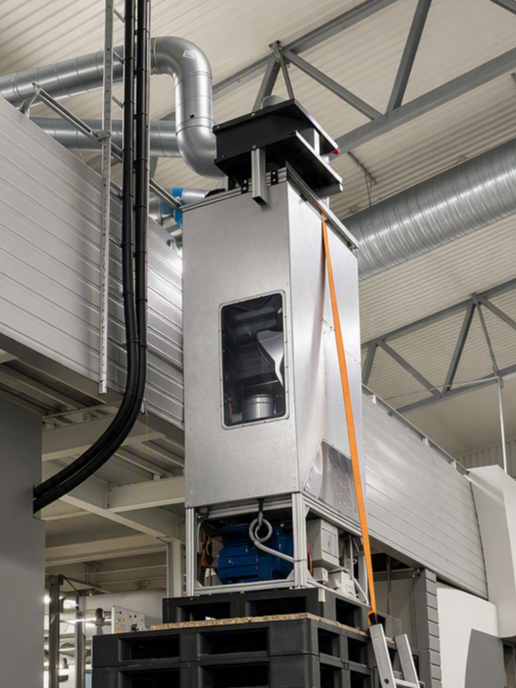
Combine our solutions
SustainaDryer™
More effective drying
DryLoop™
Lower energy consumption
= Maximum production performance with minimum energy consumption
While SustainaDryer™ improves the efficiency of the drying process itself, DryLoop™ HPDU recovers and upgrades waste energy. Together they cut drying energy consumption by up to 87% compared with conventional electric heaters or gas-fired drying — a figure based on actual measured results.
Typical Customer Benefits
FAQ
Frequently Asked Questions
Can DryLoop™ retrofit an existing dryer?
Yes. It is common to upgrade the heating system for existing drying systems.
Can DryLoop™ replace gas burners?
Yes. In many printing and coating applications, DryLoop™ HPDU can replace conventional gas-fired heating systems while maintaining the required drying conditions.
Will the DryLoop™ HPDU technology work in other applications and industries?
Yes, as long as there is an exhaust air stream and an ingoing air stream, the system will work.
Is DryLoop™ suitable for water-based applications?
Yes.
Is DryLoop™ suitable for solvent-based applications?
Yes, in many applications.
What payback period can typically be expected?
Typically 2-3 years depending on process and energy prices.
How much energy could your line save?
Every production process is different. We evaluate your drying system, exhaust conditions and operating profile to estimate the potential energy savings and payback period.